
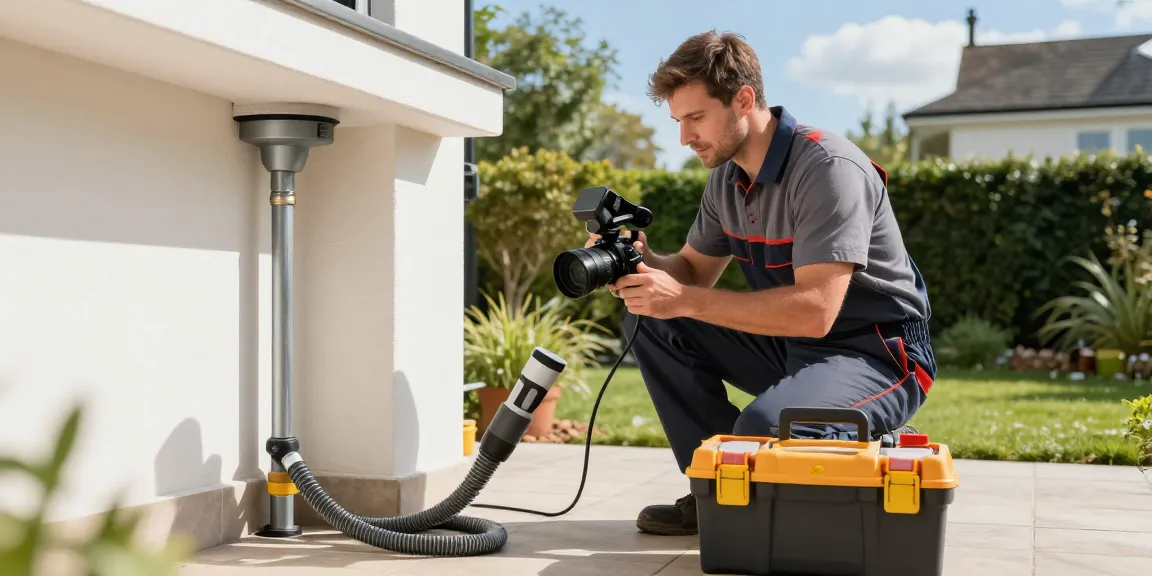
Understanding Blocked Drains: Common Causes and Symptoms
Blocked drains are a prevalent issue in London, often causing inconvenience and damage if not addressed promptly. Homeowners and businesses alike face challenges when their drainage systems become clogged. Understanding the common causes and symptoms of blocked drains is crucial in preventing more significant problems down the line. In this comprehensive guide, we will explore the intricacies of blocked drain repairs london, equipping you with the knowledge to maintain a healthy drainage system.
What Causes Blocked Drains in London?
Blocked drains can result from a variety of factors, many of which are exacerbated by the urban environment of London. Some common causes include:
- Grease Buildup: When fats, oils, and grease are washed down the sink, they can solidify in the pipes, leading to blockages.
- Tree Roots: Invasive tree roots can penetrate underground drainage systems, causing significant blockages that require professional attention.
- Foreign Objects: Items such as wipes, sanitary products, and toys often end up in drains, leading to clogs.
- Soil and Debris: Soil erosion and debris accumulation can contribute to blockages, especially in external drainage systems.
Key Signs Indicating Blocked Drains
Recognizing the signs of blocked drains early can prevent extensive damage. Look out for the following indicators:
- Slow Draining Water: If water is draining slowly in your sinks, showers, or baths, this may indicate a blockage.
- Unpleasant Odours: Foul smells emanating from drains can signify stagnant water and decomposing organic matter.
- Gurgling Sounds: Gurgling noises when using appliances can suggest trapped air due to blockages.
- Overflowing Fixtures: Excess water pooling around toilets or other plumbing fixtures may indicate a severe blockage requiring immediate attention.
The Importance of Timely Drain Repairs
Procrastinating drain repairs can lead to significant issues, including water damage, mould growth, and even structural compromise of your property. Regular maintenance and prompt repair of blocked drains can save homeowners and businesses from costly repairs in the future. In particular, addressing small issues before they escalate ensures a more effective and less expensive resolution.
DIY Solutions for Minor Blockages
While many blockages require professional intervention, there are several DIY solutions that homeowners can attempt before calling for help. These methods can be effective for minor clogs and can often save time and money:
Effective Tools for Homeowners
Equipping your home with the right tools can make a difference in addressing minor blockages:
- Plunger: A plunger is a handy tool for dislodging minor clogs in sinks and toilets.
- Drain Snake: A drain snake can help remove hair and other debris stuck in pipes.
- Baking Soda and Vinegar: A natural alternative for clearing minor clogs involves pouring baking soda followed by vinegar down the drain.
Preventative Maintenance Tips
Preventing blockages is often more effective than trying to fix them. Here are some tips for maintaining your drains:
- Regular Cleaning: Periodic cleaning of drain traps and sinks can help prevent buildup.
- Using Strainers: Installing strainers in your sinks can catch debris before it enters the drainage system.
- Mindful Disposal: Avoid flushing items that can cause blockages, such as wipes and kitchen grease.
When to Seek Professional Help
If DIY methods do not resolve the issue, it may be time to call in professionals. Severe blockages, persistent unpleasant odours, or recurring drain issues often indicate a more significant problem that requires expert assessment and intervention.
The Role of Professional Services in Drain Maintenance
Engaging professional services for drain maintenance is critical in safeguarding your plumbing systems. Trained technicians possess the expertise and equipment necessary to address complex drainage issues efficiently.
Benefits of Hiring Expert Drain Technicians
Professional drain technicians bring numerous advantages, such as:
- Expertise: They are trained to diagnose and repair complex drain issues effectively.
- Advanced Equipment: Professionals use high-tech tools that can swiftly identify blockages and carry out repairs.
- Time Efficiency: Hiring experts can often save time and reduce the risk of repeated issues.
How to Choose a Reliable Plumbing Service
Choosing a reliable plumbing service in London involves considering several factors:
- Reviews and Testimonials: Look for customer feedback to gauge the company’s reliability and quality of service.
- Certifications: Ensure that the plumbing service holds necessary certifications and insurance.
- Response Time: Evaluate how quickly they can respond to emergencies.
Understanding Drain Repair Techniques
Different drain repair techniques may be needed depending on the nature of the blockage. Common methods include:
- Hydro-jetting: This technique uses high-pressure water jets to clear stubborn blockages.
- Pipe Relining: A less invasive method where a new lining is added to existing pipes, restoring functionality.
- CCTV Drain Surveys: Utilizing cameras to inspect and visualize the interior of pipes, allowing for precise diagnosis.
Cost Insights: What to Expect from Drain Repair Services
Understanding the costs associated with drain repair can help you make informed decisions about maintaining your drainage systems. Prices can vary widely based on several factors, which we’ll explore below.
Average Costs for Blocked Drain Repairs London
On average, homeowners can expect to pay between £75 and £150 for standard blocked drain repairs in London. However, prices can vary based on factors such as:
- Severity of the Blockage: More severe blockages may require more extensive and costly repairs.
- Location: Services in central London may cost more compared to suburban areas.
- Time of Service: Emergency services may incur additional charges, especially during unsociable hours.
Factors Influencing Repair Expenses
It’s important to consider various factors that can influence the overall cost of drain repairs:
- Type of Service: Basic clearing services will typically cost less than comprehensive repair techniques.
- Materials Used: High-quality materials will contribute to higher costs but can provide longer-lasting solutions.
- Geographical Area: The cost of service can vary significantly depending on local demand and competition.
Cost-Effective Strategies for Drain Maintenance
To minimize costs while maintaining your drains, consider the following strategies:
- Regular Inspections: Scheduling periodic inspections can help identify potential problems before they escalate.
- Maintaining Cleanliness: Keeping drains clear of debris can prevent costly repairs.
- Investing in Quality: When hiring services or purchasing products, investing in quality often leads to long-term savings.
Future Trends in Drain Maintenance Solutions
As technology advances, the field of drainage and plumbing continues to evolve. Understanding future trends can help homeowners and businesses stay ahead of potential issues.
Innovative Technologies in Drain Repairs
New technologies are revolutionizing how blocked drains are handled:
- Smart Sensors: These devices can monitor drain conditions in real-time, alerting homeowners to potential issues before they become serious.
- Automated Inspection Drones: Drones equipped with cameras can inspect hard-to-reach areas, leading to more accurate assessments.
- Eco-Friendly Solutions: Innovations focused on environmentally-friendly products and methods are becoming more prevalent in the industry.
Environmental Considerations in Plumbing
As the importance of sustainability rises, plumbing practices are adapting accordingly. Techniques that minimize waste and environmental impact are increasingly prioritized.
Expert Predictions for 2026 and Beyond
Looking ahead, experts predict a continued shift toward automation and smart technologies in the plumbing industry. This will enhance the efficiency of drain maintenance and improve customer satisfaction.
How Can I Prevent Blocked Drains?
Preventing blocked drains requires proactive measures. Regularly cleaning drains, disposing of waste responsibly, and using drain covers can significantly reduce the risk of clogs. Additionally, conducting routine inspections can catch potential problems early, ensuring effective maintenance.
What Should I Do If I Have a Blocked Drain?
If you encounter a blocked drain, first try some DIY solutions like using a plunger or drain snake. If these methods are ineffective, it’s important to contact a professional to avoid further complications and potential water damage.
When Is It Necessary to Call a Professional?
It’s advisable to call a professional when DIY methods fail to resolve the blockage, or if you experience recurring issues. Persistent problems may indicate deeper underlying issues that require expert intervention.
What Are the Risks of Ignoring Drain Issues?
Ignoring drain issues can lead to severe consequences such as flooding, structural damage, and costly repairs. Delaying necessary interventions can exacerbate the problem, resulting in extensive and expensive repairs.
How Do I Know if a Drain Repair Company is Trustworthy?
To ensure you choose a trustworthy drainage service, check for customer reviews, valid certifications, and transparent pricing. Establishing a good reputation within the local community is also a strong indicator of reliability.